 Image via Spotify
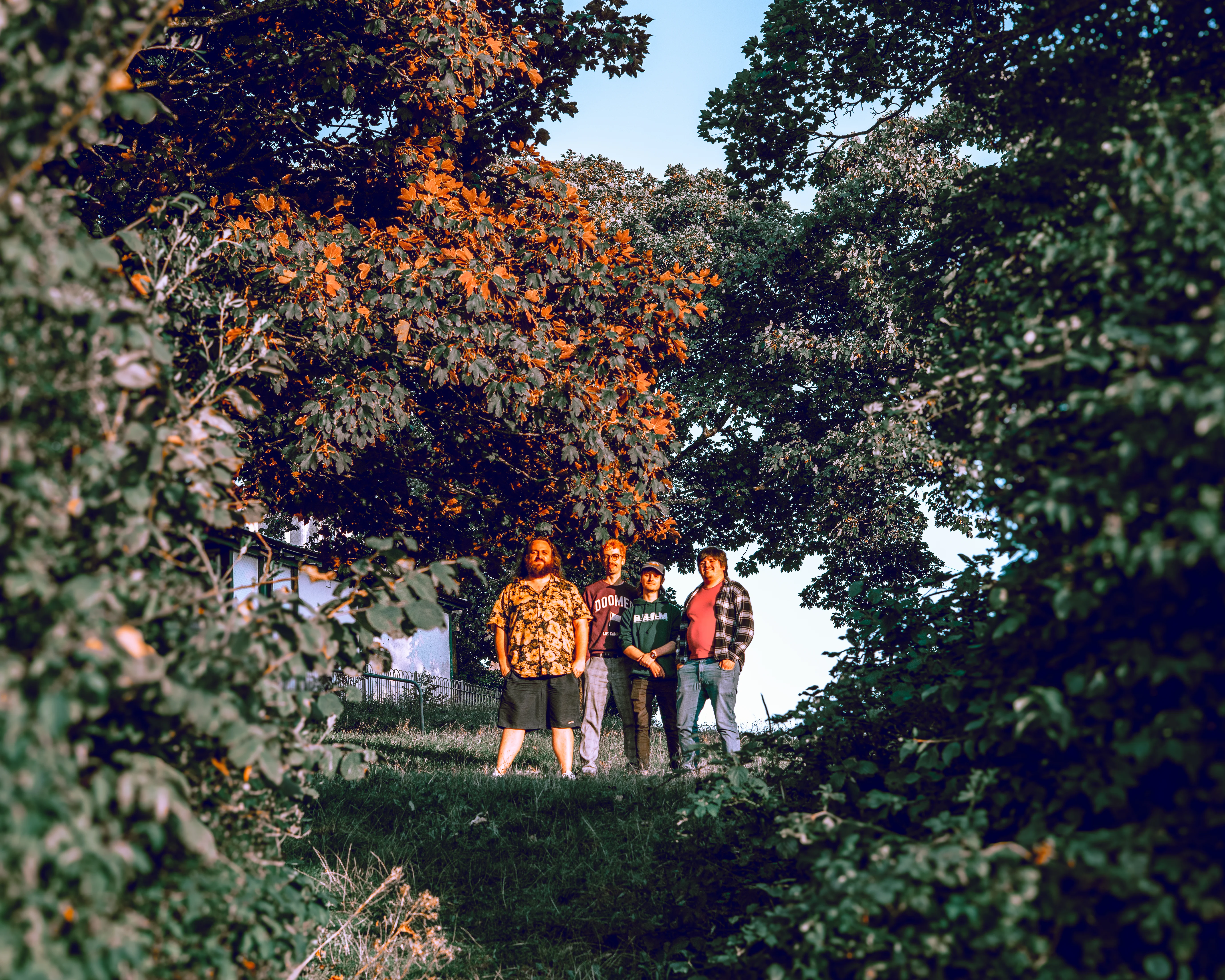
LA alt-grunge band wilt describe themselves as ‘your favourite band you’ve never heard of’, something that is becoming increasingly untrue by the day. The band have really made a name for themselves in the last few years, thanks to a string of successful singles and viral social media skits. While their online presence might suggest a band who don’t take themselves too seriously, their music is a different story.
Released between their tours in North America and Europe, the debut album when no one’s watching is a high-octane, defiant pity-party. It channels everything from grunge predecessors Nirvana and Hole, second-wave emo pioneers Sunny Day Real Estate, to the rawness of Paramore's debut All We Know Is Falling. The album settles firmly, however, on something fresh and distinctly wilt. The influences are all there, but they have really found their sound in huge riffs and fierce vocals.
“It’s about feeling like shit most of the time,” the band revealed on Instagram. Rather than wallowing, the band channel these feelings into something hard-hitting - a reminder that in times of hopelessness, our anger can be the thing that keeps us going.
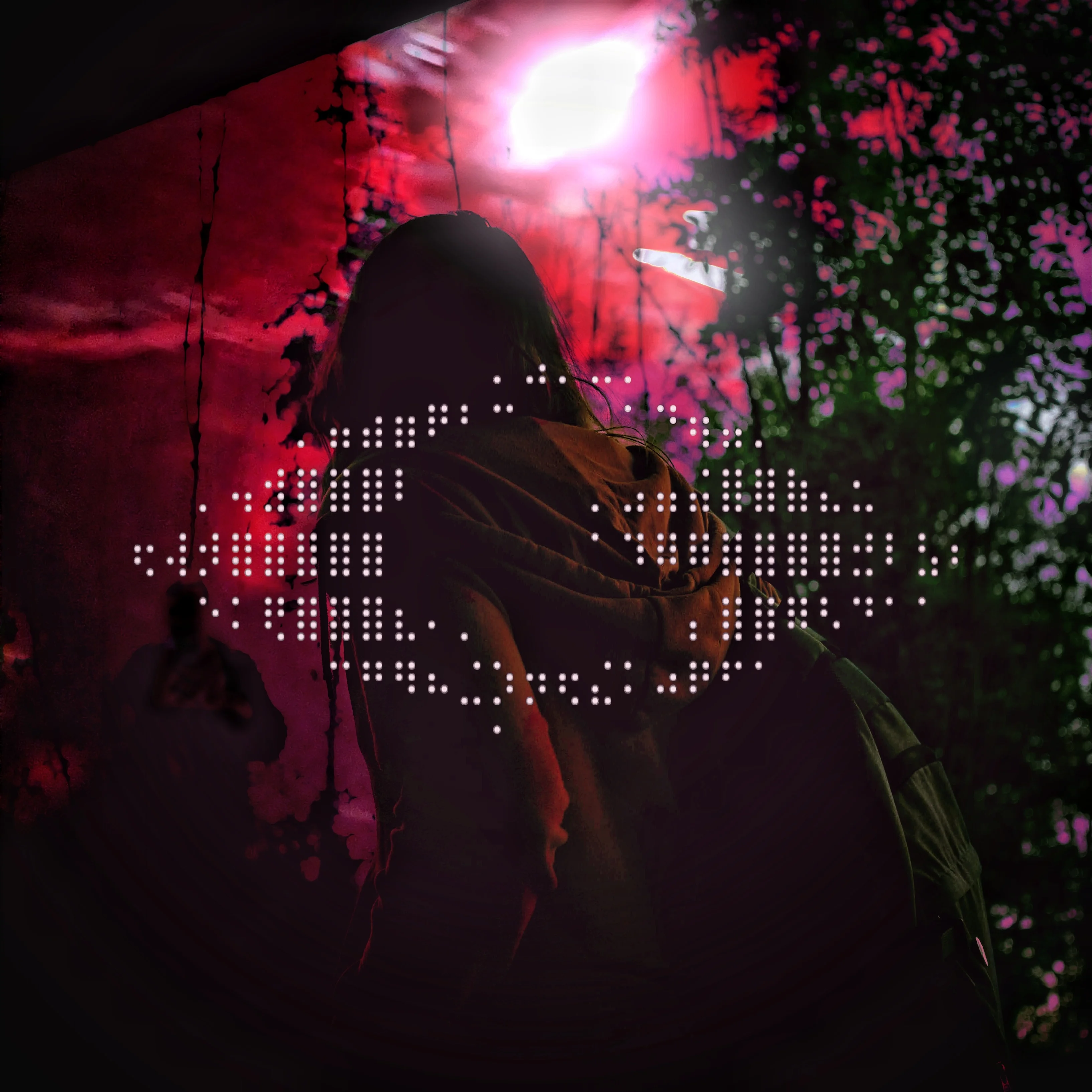
when no one’s watching finds wilt at their most defined, but also completely exposes them. It asks who the band is behind all the social media and live performances. The cover says it all; lead singer Chelsea Rifkins’ bright pink hair catches our eye, as her own bore right into us. There is the sense that the listener is being perceived, and the deep introspection that follows encourages us to ask these questions of ourselves.
The album opens with none other than ‘dent’, a song that packs so much in despite its brevity. Aaron Liebman’s opening guitar riff makes for a brooding intro, paired with Andrew Perrea’s twinkly layers.
Rifkin’s lyrics border on petulance, but morph into a justified rage as she screams “nothing can make a dent.” This is my favourite moment in the song, coinciding with a bold time-signature change from 4/4 to 6/8. The song is exemplary of this melodic hardcore that soon becomes a staple of the album, as does Rifkin’s mixture of loud and quiet vocals. It is messy and deeply cathartic, conveying a despair that has no real cause but will not shift. Despite new addresses and appearances, nothing changes. There is also a sense of digitalised nostalgia during the breakdown, as a voicemail plays over this wall of sound.
‘bundy’ is tied with ‘dent’ as my favourite single. Where the opener laments, this one seethes with something much darker. Rifkin’s vocal melodies here are infectious, meandering over lyrics she has described as “an ode to the feeling of being trapped in a hurtful love”. Although this may suggest powerlessness, I feel that the song also holds the subject accountable. Lyrics such as “fate will growl like a hound” and “go beg heaven to let you in” become a warning; this person’s own guilt will follow them forever.
Elsewhere, songs like ‘destroy you’ and ‘trigger’ focus on self-destruction within relationships. The latter of these is more upbeat, with a guitar riff that leans into their indie influences. Both grapple with a hard truth: no matter how much somebody else loves you, it can never overcome your own self-hatred.
‘nothing good to cry about’ was the album’s first single, released back in May. It has one of those guitar riffs that perfectly balances high-energy with an undercurrent of despondency. It’s thematically similar to ‘dent’, exploring this sense of slowly losing yourself. The chorus is anthemic, but the bridge cuts to the bone; sharp guitar chords convey an urgency, while the lyric “nothing’s wrong, but nothing’s fun” encapsulates this frustration of never feeling complete.
One of the standout moments is on the track ‘closure’. After a sedate intro, the song explodes into a huge riff. It’s reminiscent of Weezer, technically quite simple but with a couple of weird notes that add something more unsettling. Rifkins begs someone to “fuck me over, cut me deep” so that she can heal. In the absence of anything truly conclusive, the song’s bold sound creates its own kind of closure.
‘suffocate’ is the final single, which the band have described on Instagram as their most ‘British’ song. The dual guitars certainly channel that trademark indie sound of Bloc Party. What sounds like two guitars playing back and forth is actually Liebman switching between pick-ups on his guitar, an impressive technique he manages to replicate live.
Again, Rifkin’s lyrics are deeply relatable. Not to project my own experience onto this album too much, but lines such as “I’m losing all the things that make me who I am” really targeted that early-twenties feeling of being stripped away.
Another one of my favourite guitar riffs is on ‘don’t run away again’; it features more back and forth guitar between Liebman and Perrea, alternating between sharp chords and harmonics. The heavier chorus contrasts with Rifkin’s airy vocals, again showcasing the band’s dynamic range.
It’s impossible to pick a favourite song from the album, but at the minute it’s ‘rats’. There is something about the opening vocal melody that is haunting in a way I can’t really describe. What follows is some of Rifkin’s most scathing lyrics, directed towards someone who has moved away and left her to pick up the pieces. It again features her newly harnessed ability to scream - something she completely inhabits.
‘bitter, burned’ follows, another song about being scarred by a relationship. Placed between two really strong tracks, it doesn’t pack as much of a punch but is still a great song.
The album comes to a close with its title track. Throughout, it has delved into the darkest parts of the psyche, and this final statement really brings it all together. Its gloomy guitar riff and strange chord sequences suggest something illicit, soundtracking this observation of what people do when they’re alone. Almost in response to this question, Rifkin gives us the scream of the album, before launching into an impactful chorus in which she leaps between notes effortlessly.
The album touches on something innate in humans - even when things are good, we always feel like we can be better. It creates a space to let these very natural frustrations run wild. We’re often forced to hide them for fear of seeming ungrateful, but this is a testament to something we are not alone in feeling. The album finishes with a breakdown, allowing this exasperation to coalesce into something loud and unapologetic.
when no one’s watching is a fearless debut from a band who know exactly who they are - and one with no skips. The guitar work is a defining characteristic of wilt, something that’s finding its way into my own songwriting. Rifkin’s voice is something else, and the four of them play with such a compelling synergy. It is truly a gift to be part of wilt’s fandom as they continue to grow as a band.